After a service
Observe without disturbing the measures.
Written service-specific directions prevail. Learn what to record, what not to disturb and how follow-up is assessed.
Read the after-service guide →
Knowledge centre
Reference points to help avoid actions that can worsen a situation and gather useful information before an evaluation.
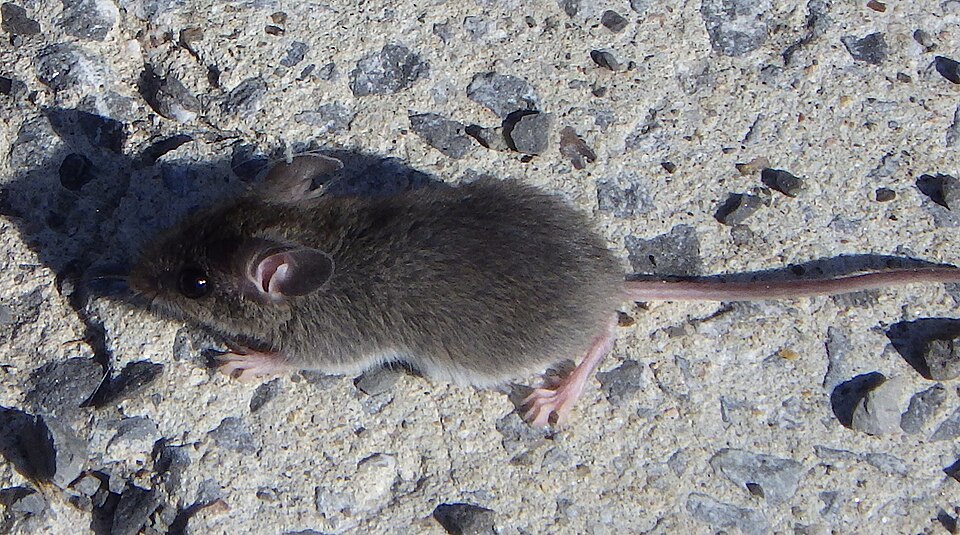
Guide
Signs of activity, possible access points and prudent first measures.
Read the guide →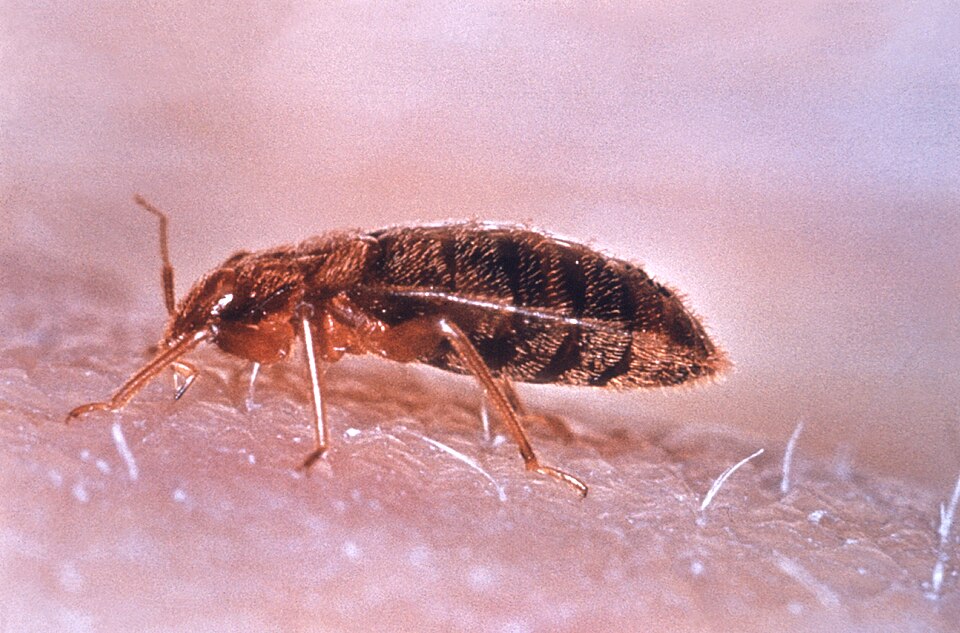
Guide
Physical signs, actions to avoid and how to prepare for an evaluation.
Read the guide →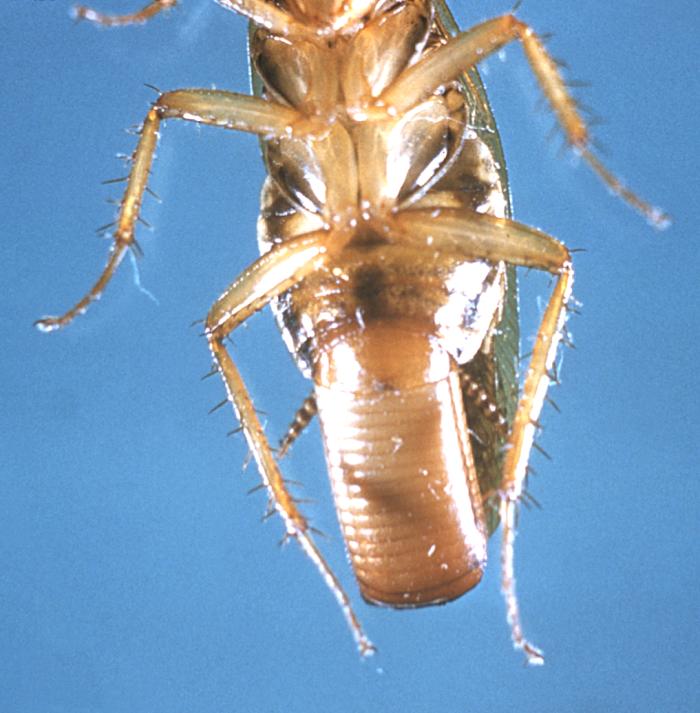
Guide
Areas to observe, contributing factors and the importance of identification.
Read the guide →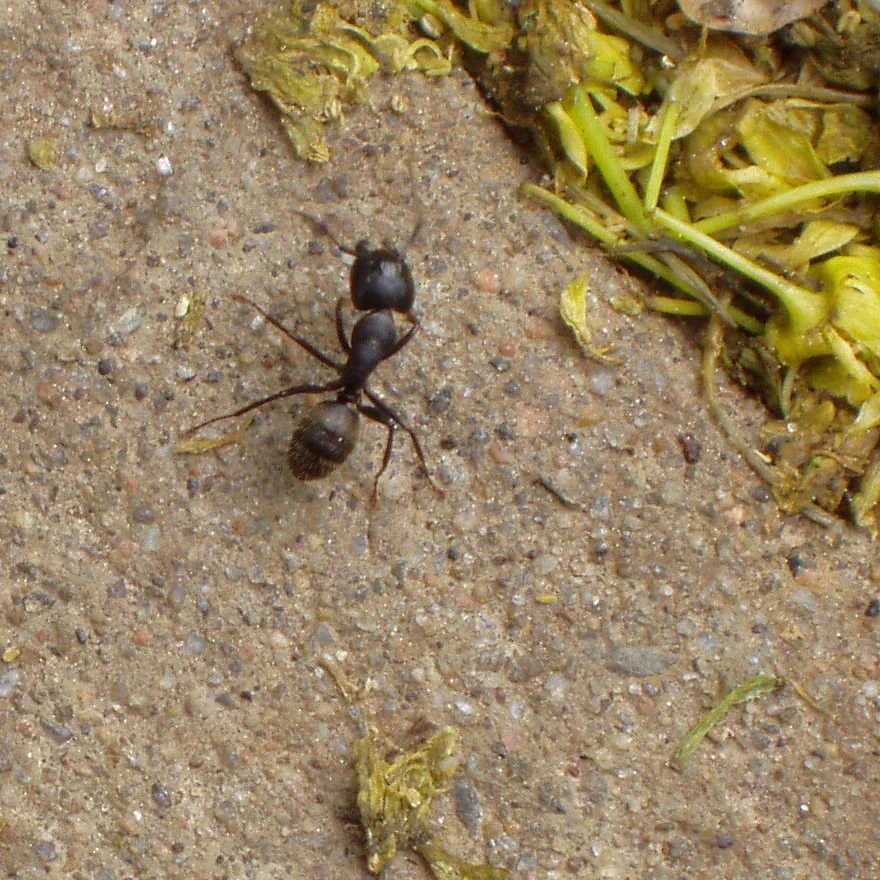
Guide
Visual profiles, trails, possible nesting signs and prudent first measures.
Read the guide →After a service
Written service-specific directions prevail. Learn what to record, what not to disturb and how follow-up is assessed.
Read the after-service guide →Ants
Species do not share the same habits or points of origin. A visible trail does not always reveal the colony’s location. Compare visual profiles, document the route and preserve useful evidence.
Read the ant guide →Mouse or rat?
The size and location of tracks, droppings and openings, together with the building layout, help distinguish possible scenarios. A photograph may guide the evaluation without replacing an inspection.
Read the rodent guide →Useful photographs
Take a sharp image of the pest or evidence, include an object that helps establish size and photograph the affected area. Images support the initial evaluation for the pests currently handled.
Prepare my observations →Official Québec resources
These government resources complement SGP’s general guides. They provide advice on prevention, preparation and prudent pesticide use.
These links are provided for information. External content remains the responsibility of the publishing organizations and may be updated without notice. Their inclusion does not imply government affiliation or endorsement.
This content is provided for general information. The signs described may have several causes and do not replace identification or an on-site evaluation. Use a pesticide only in accordance with its label and applicable rules.
Take the next step
Organize your observations to prepare for an initial evaluation.