Rodents
Recognition at a glance.
Read these reference points together. A single photograph or sign can guide a check, but it may not confirm the species, source or extent of activity.
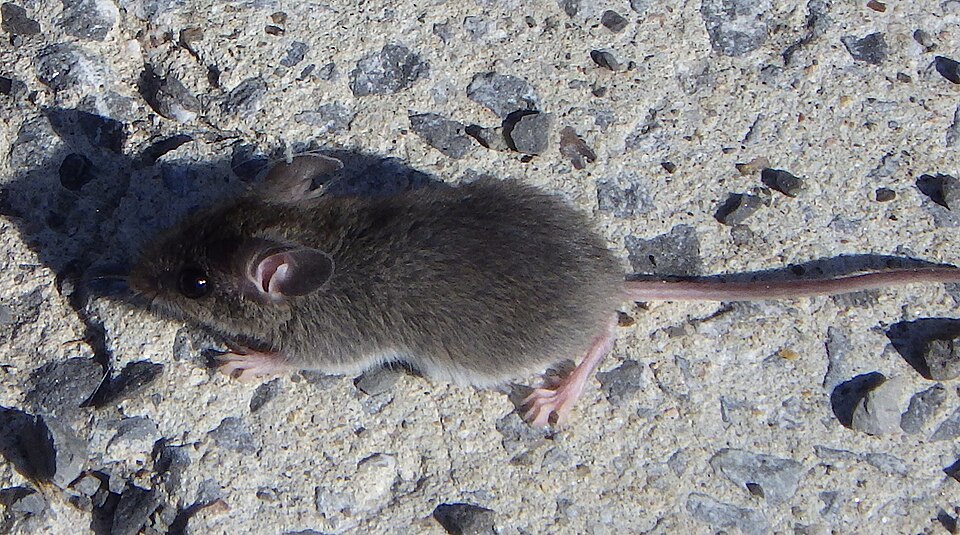
General appearance
A mouse and a rat do not have the same size, body shape or necessarily the same travel routes.
Possible evidence
Droppings, gnawing, noises, moved material, travel marks or damaged packaging.
Frequent areas
Plumbing openings, door bottoms, foundations, storage, waste and food reserves.
Visual limitation
The size of one dropping or a single photograph may not identify the species.
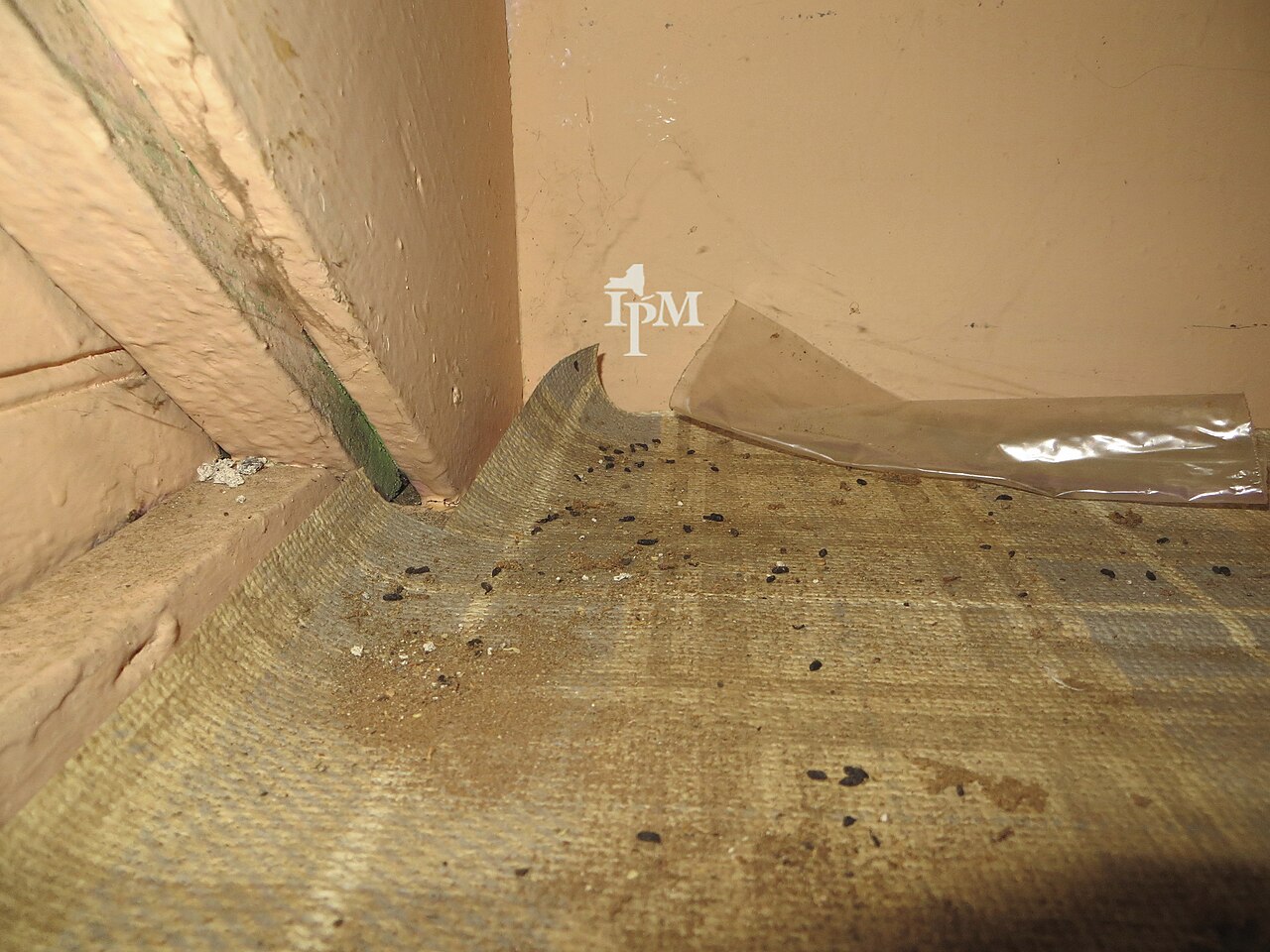
Photographic reference
Observe the physical evidence.
The following photograph shows a documented example. Similar-looking traces can have other causes; keep both a close view and a context view to support an evaluation.
Reading the premises
Where to look without disturbing the area.
Observe visually and photograph accessible signs. Do not open a structure, move an installed device or apply a product solely to confirm a hypothesis.
- 01
Plumbing penetrations
Look for gaps around pipes and conduits without dismantling materials.
- 02
Doors and foundations
Observe spaces beneath doors, cracks and accessible junction points.
- 03
Food and waste
Check packaging, crumbs, containers, bins and storage areas.
- 04
Quiet edges
Look along walls, behind accessible objects and in areas that are rarely disturbed.
- 05
Walls and ceilings
Record the time and location of noises rather than opening the wall.
Rodents
Read several signs together
Droppings, gnaw marks, noises in walls, travel marks or damaged packaging may indicate activity. Their apparent freshness, distribution and the building context matter more than one isolated sign.
Rodents
Precautions around droppings
Do not handle droppings, carcasses or soiled materials with bare hands. The Government of Québec recommends not sweeping or vacuuming dry droppings. Review its hantavirus directions before cleanup and avoid putting particles into the air.
Rodents
Prudent first measures
Close food and waste containers, remove accessible water sources when possible and record where and when signs are noticed. Do not randomly block an active opening if doing so could redirect activity further inside.
Rodents
Actions to avoid
Do not apply several products, never mix products and do not move installed bait or devices without instructions. Use a pesticide only for a use permitted by its label.
Rodents
What to photograph
Take a sharp close view, a wider view of the area, a size reference that does not touch the sign, and any related damage or opening. Record the date and room.
Rodents
What the evaluation examines
Probable identification, distribution of signs, access points, food and water, shelter, travel routes and conditions in adjacent areas or units.
Rodents
Multi-unit buildings
Notify the owner or manager promptly. An evaluation may need to consider common spaces, conduits and certain neighbouring units. SGP can document observations but does not determine the parties’ legal responsibility.
Last editorial review: July 25, 2026.
This content is provided for general information. The signs described may have several causes and do not replace identification or an on-site evaluation. Use a pesticide only in accordance with its label and applicable rules.